How to Troubleshoot Common Garage Door Problems
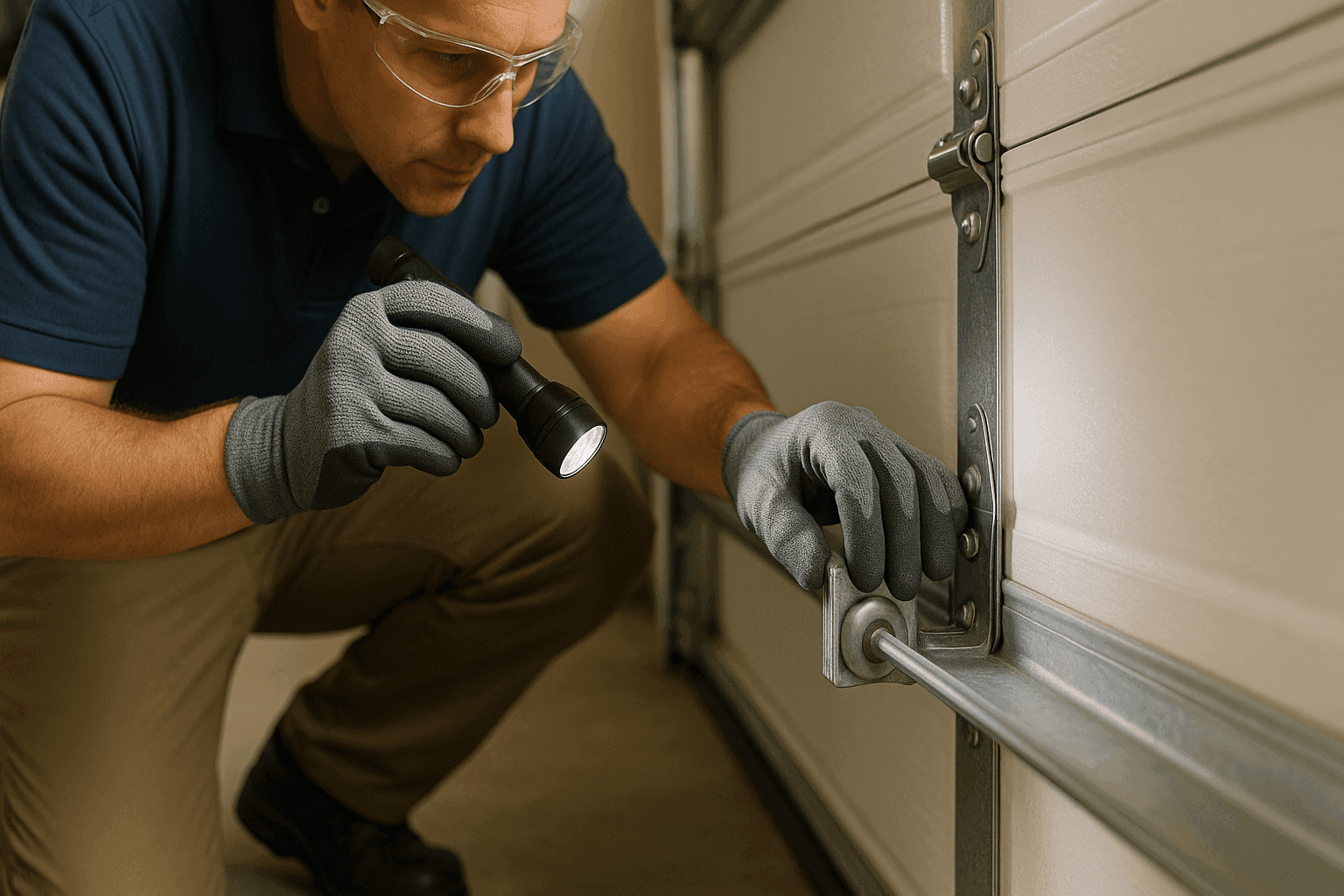
Is your garage door acting up at the worst possible time? You’re not alone. Whether you’re a homeowner just trying to get to work or a business keeping daily operations on track, a malfunctioning garage door feels like a brick wall in your routine.
At Apex Garage Door Services, we understand the frustration—and the safety risks—when garage_doors fail. We’re here to walk you through clear, practical steps to spot the issue, fix what’s safe, and know when it’s time to call in the pros.
Door Won’t Open or Close
A garage door stuck in place can bring your day to a standstill. The cause could be simple or serious, but the first step is to stay calm and follow a logical checklist. 🛑
Likely Causes:
- Power outage or unplugged opener
- Dead remote batteries
- Misaligned or dirty safety sensors
- Broken springs or cables
- Garage door lock engaged
- Manual release pulled
Quick Checks:
- Check the power: Is the opener plugged in? Are other outlets working?
- Remote batteries: Try opening with the wall button. If that works, replace the remote batteries.
- Safety sensors: Look for blinking lights or dirt on the sensors near the bottom of the door. Clean gently.
- Manual lock: Some doors have a locking handle. Make sure it’s not engaged.
- Manual release: If the red cord was pulled, the door is in manual mode. Re-engage it by lifting and clicking the cord back into place.
Safe DIY Fixes:
- Clean safety sensors with a dry cloth.
- Replace remote batteries.
- Ensure opener power cord is secure.
- Gently clear any visible debris from tracks.
If the spring or cable is broken, stop immediately. These parts carry extreme tension and can cause injury.
Unusual Noises from Your Garage Door
Your garage door should glide like a ship on calm water. If it’s making sounds like grinding, squeaking, or banging, it’s time to investigate. 🛠️
Likely Causes:
- Dry or loose rollers
- Worn out hinges
- Bent tracks
- Loose hardware
- Failing opener motor
Quick Checks:
- Listen: Does the noise happen at a certain point?
- Inspect: Look for wobbling rollers or visible rust.
- Feel: Is the door jerky or smooth as it moves?
Safe DIY Fixes:
- Tighten loose bolts with a wrench (but don’t overdo it).
- Use a silicone-based spray (never grease) on rollers and hinges.
- Remove minor debris from tracks with a vacuum or soft brush.
If you hear a loud bang or see a snapped spring, stop. These are serious hazards.
Remote or Keypad Not Working
When the remote or keypad fails, it feels like your door is giving you the silent treatment. Don’t panic—most fixes are simple. 🔋
Likely Causes:
- Dead or weak batteries
- Signal interference (LED lights, nearby devices)
- Out-of-range or unprogrammed remote
- Faulty wiring or keypad
Quick Checks:
- Replace batteries in remote/keypad.
- Move closer to the door and try again.
- Check if other remotes work (if you have more than one).
- For keypads, re-enter the code slowly and carefully.
Safe DIY Fixes:
- Reprogram the remote or keypad following the manufacturer’s instructions (usually in your opener manual).
- Check for visible corrosion in the battery compartment.
- Reset the opener by unplugging it for 30 seconds, then plugging it back in.
Still not working? You may need professional remote programming or keypad repair.
Visible Track or Roller Issues
Think of your garage door’s tracks and rollers as train rails and wheels. If they’re damaged, the journey stops—or takes a dangerous turn. 🚦
Likely Causes:
- Tracks bent out of shape
- Rollers popping out or stuck
- Accumulated debris or rust
- Misaligned tracks
Quick Checks:
- Look for gaps or bends in the metal tracks.
- Check rollers for wear, cracks, or flat spots.
- Inspect for screws or bolts sticking out or missing.
Safe DIY Fixes:
- Wipe tracks with a clean, dry cloth.
- Gently tap minor track bends back into place with a rubber mallet.
- Remove small obstructions.
If tracks are severely bent, rollers are off the track, or you spot frayed cables, call a professional.
Quick Safety Checklist
Before you do any troubleshooting, make sure you’re safe:
- Disconnect the opener’s power if working near moving parts.
- Never attempt to adjust or remove garage door springs or cables.
- Keep hands and tools away from pinch points and tensioned springs.
- Don’t climb on unstable ladders or objects.
- Use protective eyewear and gloves if handling debris.
Refer to the International Door Association (IDA) safety guidelines and your manufacturer’s manual for best practices.
DIY Fixes vs. Calling a Pro
Some garage_doors fixes are like changing a lightbulb—quick and safe. Others are more like rewiring your house. Here’s when to stop:
When to Stop and Call a Professional
- Broken springs, cables, or bottom brackets
- Door off its tracks or sagging
- Loud bangs, sudden drops, or doors stuck halfway
- Repeated opener issues after basic resets
- You feel uncomfortable or unsure at any step
Garage door springs and cables are under tremendous tension. According to the Door & Access Systems Manufacturers Association (DASMA), only trained technicians should repair or replace these parts.
What a Pro Will Do on Arrival
When Apex Garage Door Services arrives, our team follows strict safety and diagnostic protocols:
- Inspect all mechanical and electrical components
- Test opener, remotes, and sensors per manufacturer standards
- Check spring balance and cable integrity
- Lubricate and adjust moving parts as needed
- Provide a clear explanation of findings and next steps
We use only industry-approved replacement parts and follow Occupational Safety and Health Administration (OSHA) recommendations.
Prevention & Routine Maintenance
An ounce of prevention is worth a pound of repair. Routine upkeep can keep your garage_doors running smoothly year-round.
Simple Maintenance Tips:
- Visually inspect rollers, tracks, and springs monthly.
- Lubricate moving metal parts with silicone spray every 3–6 months.
- Test auto-reverse and safety sensors as recommended by manufacturer.
- Clean weather seals and replace if cracked or brittle.
- Check opener settings and force limits after power outages.
Schedule a professional maintenance visit at least once a year—especially before heavy weather seasons.
Costs & Time Factors
No two garage_doors repairs are exactly alike, but here’s what you can expect:
- Minor fixes: (sensor cleaning, battery replacement) — minutes, minimal cost for supplies.
- Part replacements: (rollers, weather seals, remotes) — 30–90 minutes depending on complexity.
- Major repairs: (springs, cables, opener installation) — 1–3 hours, labor and parts cost varies.
Tip: Emergency or after-hours service may cost more. Always ask for clear, up-front pricing before work begins.
When It’s an Emergency
Some garage door issues can’t wait:
- Door won’t close before a storm or overnight
- Broken spring or cable leaves door open and unsecured
- Door has fallen off tracks or won’t stop moving
Emergency garage door services are available for these urgent situations. If you can’t secure your property, call immediately.
Frequently Asked Questions
How do I know if my garage door spring is broken?
- If the door is unusually heavy, won’t open more than a few inches, or you see a visible gap in the spring, it’s likely broken. Do not attempt to open the door manually.
Why does my garage door reverse before closing?
- This usually points to dirty or misaligned safety sensors. Clean them and make sure they’re facing each other.
Can I install weatherstripping myself?
- Yes, with basic tools. Just make sure to use weather seals designed for garage_doors and follow the packaging instructions.
What’s the best way to keep my garage door running quietly?
- Regular lubrication of moving parts and tightening of hardware prevents most squeaks and rattles.
Local & Seasonal Considerations
Weather can wreak havoc on garage_doors. In winter, cold can make metal parts contract, leading to sticking or loud noises. In storm season, power surges can affect openers and remote controls. After heavy winds or hail, always check for new dents, debris in the tracks, or damaged weather seals.
If you’re in an area prone to severe weather, consider insulated garage doors and regular weatherstripping installation for extra protection.
A garage door should work for you—not against you. If you’ve tried the tips above and still face trouble, don’t risk your safety or your property.
Call Apex Garage Door Services now — or reach us anytime at 888-864-9691 .