Choosing the Best Garage Door Opener: Features, Types & Installation Tips
Is your garage door opener grinding, straining, or just plain unreliable? Whether you’re a homeowner juggling a busy morning or a manager keeping commercial doors secure, the right opener changes everything. At Apex Garage Door Services, we know a smooth, secure entry isn’t just a convenience—it’s peace of mind.
Let’s break down what truly matters when choosing and installing a garage door opener. You deserve practical advice, not sales talk. Here’s how to make your next opener upgrade a smart, stress-free experience.
Types of Garage Door Openers
Choosing an opener is a bit like picking the right engine for your car. Each type has its own character, strengths, and quirks:
- Chain Drive: The classic workhorse. A metal chain moves the door. These are strong, reliable, and budget-friendly, but think of them like an old pickup—dependable, yet a bit noisy. Good for detached garages where sound isn’t a concern.
- Belt Drive: Similar mechanics as chain, but swaps metal for a reinforced belt. The result? Quieter operation. Perfect for garages under bedrooms or offices. Belt drives handle most residential doors with ease.
- Screw Drive: Uses a threaded steel rod to move the door. Fewer moving parts means less maintenance, but they can be sensitive to temperature swings—sometimes groaning in winter or summer extremes.
- Direct Drive: The minimalist’s choice. The motor itself glides along a stationary rail, moving the door. Nearly silent, with fewer parts to break down, making them ideal for homeowners who value peace and quiet.
For heavy commercial doors or roll-up garage doors, industrial openers offer higher horsepower and robust components, ensuring reliable operation even under frequent use.
Key Features to Consider 🚪
Don’t just focus on horsepower or price. Look at features that make daily life easier and safer:
- Security: Modern openers use rolling code technology, which changes the access code each time you use the remote. This thwarts code grabbers and keeps your garage safer.
- Smart Connectivity: Wi-Fi enabled openers let you open, close, or monitor your garage from a smartphone app. Handy if you forget to close up or want delivery access while you’re away.
- Battery Backup: When the power’s out, this keeps your opener running—a must for emergency access or commercial sites with security needs.
- Safety Sensors: These detect objects or people under the door, reversing movement to prevent accidents. Required by UL 325 safety standards and local building codes.
- Noise Level: For homes, quieter is better. For shops or warehouses, durability may matter more than hush.
- Lighting: Integrated LED or motion-activated lights add visibility and security.
- Accessories: From keypads to garage door remotes, extras like weather seals and insulated garage doors make life more comfortable and energy-efficient.
Sizing and Compatibility With Your Garage Door
An opener is only as good as its fit. Sizing is not a guessing game—think of it as pairing shoes to feet.
- Weight & Size: Standard residential doors usually need 1/2 to 3/4 horsepower. Oversized, insulated, or carriage house garage doors may need more muscle.
- Type of Door: Sectional, roll-up, and tilt-up garage doors each have unique demands. Commercial garage doors often require specialized openers.
- Ceiling Height: High-lift or custom garage doors may need extended rails or special hardware.
- Existing Hardware: Check track alignment, spring strength, and cable condition before installing a new opener.
- Compatibility: Not all remotes or smart features work with older doors—double-check before upgrading.
Installation Basics and Safety Tips 🛠️
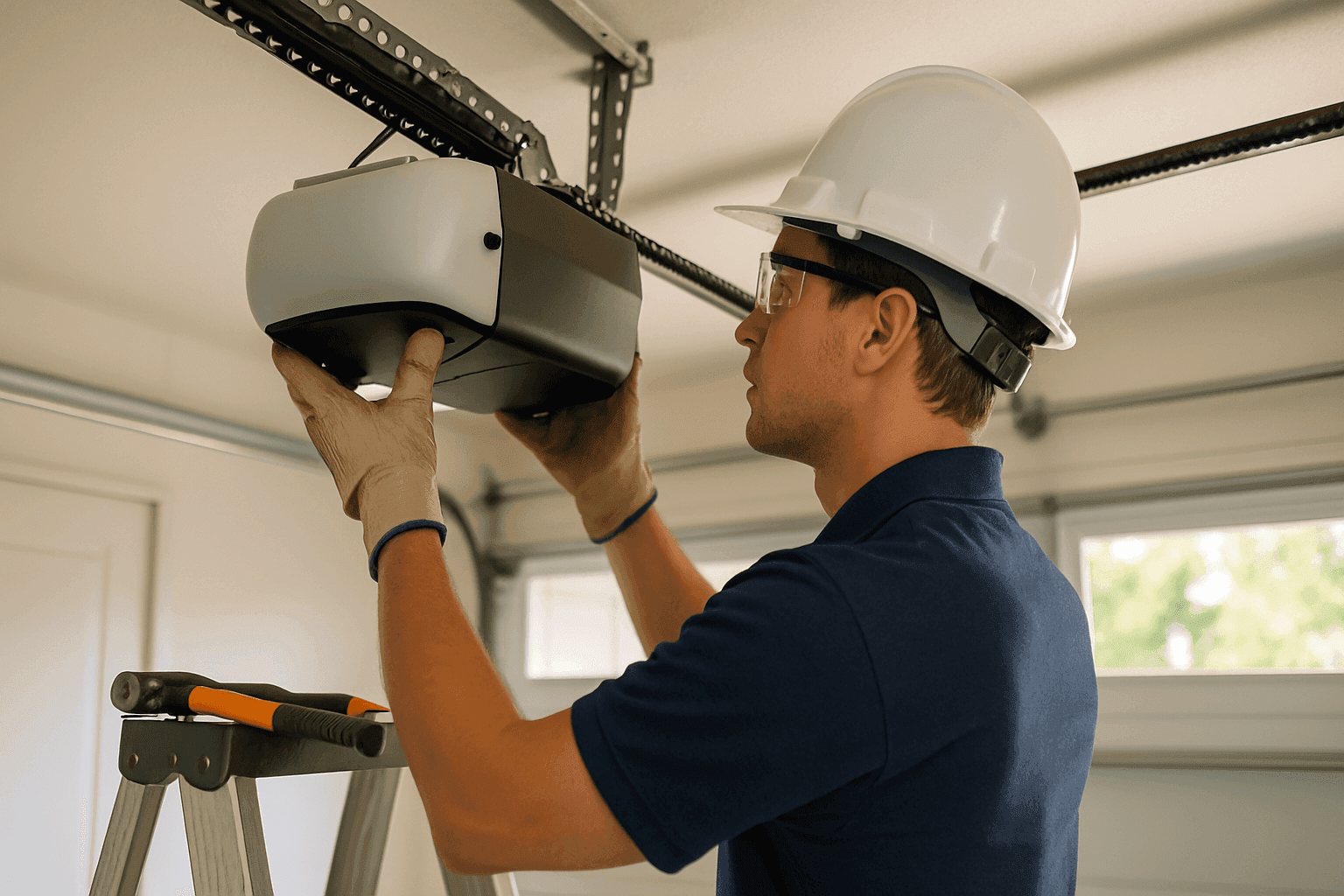
Installing a garage door opener is not a casual weekend project. It’s more like assembling a puzzle on a ladder—one with heavy, moving pieces.
- Read the Manual: Each model is slightly different. Follow the manufacturer’s steps, especially for wiring and safety sensor installation.
- Check Power Source: Make sure there’s a grounded outlet nearby. Extension cords are not safe long-term.
- Mount Securely: Use lag bolts and proper brackets. A loose opener can shake itself apart—or worse, fall.
- Balance the Door: Test door balance before and after. An unbalanced door strains the opener and shortens its life.
- Install Safety Sensors: Position them six inches above the floor, facing each other. Test by waving an object under the closing door—the door should reverse immediately.
- Tidy Up Cables and Tracks: Keep all wiring and moving parts clear of debris and obstructions.
- Test All Functions: From the wall control to the remote programming, make sure everything works before calling it done.
Professional vs. DIY Installation
Some folks love a good challenge. Others know when to call a pro. Here’s how to decide:
- DIY Installation: Possible for standard homes if you’re comfortable with power tools, ladders, and following detailed steps. However, heavy doors or complex setups (like commercial garage doors or custom garage doors) increase the risk of injury and error.
- Professional Installation: Brings experience, warranty protection, and peace of mind. Pros handle tricky wiring, adjust garage door springs safely, and ensure garage door tracks are aligned. They also know local codes and can provide emergency garage door services if something goes wrong.
If in doubt, don’t risk your safety. A poorly installed opener can cause injury or damage property.
FAQ: Common Garage Door Opener Problems
Why is my garage door opener beeping or flashing?
Most likely, the backup battery is low or a safety sensor is misaligned. Check connections and replace batteries as needed.
The door opens but won’t close—what’s wrong?
Often, safety sensors are blocked, dirty, or out of alignment. Clean and realign them. Make sure nothing’s in the door’s path.
My remote works inconsistently. Solutions?
Try new batteries first. If that fails, reprogram the remote. Interference from nearby electronics or weak signal strength can also be culprits.
Can I use my opener during a power outage?
Only if it has a battery backup feature. Otherwise, you’ll need to disengage the opener and operate the door manually.
Maintenance Tips to Extend Opener Lifespan 🧰
A little care keeps your garage door opener running smoothly for years:
- Lubricate garage door rollers, hinges, and tracks every six months with a silicone-based lubricant.
- Check and tighten hardware, brackets, and fasteners annually.
- Test safety features monthly—hold an object under the door as it closes. It should reverse immediately.
- Replace weatherstripping and garage door weather seals as needed to keep out moisture and pests.
- For commercial garage doors, schedule regular professional inspections to catch wear early.
- Replace remote batteries and test keypad access frequently.
For up-to-date safety codes and installation guidelines, consult resources like the International Door Association (IDA) and your local building authority.
Call Apex Garage Door Services now — or reach us anytime at 888-864-9691 .