Garage Door Maintenance Checklist: Prevent Costly Repairs Year-Round
Does your garage door squeak, shudder, or refuse to budge some mornings? If so, you’re not alone. For both homes and businesses, garage_doors get more use—and abuse—than most people realize. But just like a car, regular tune-ups make all the difference between smooth sailing and costly breakdowns.
At Apex Garage Door Services, we’re here to help you keep your garage doors running like new, all year round. Our seasoned team knows what it takes to avoid emergencies—and how a few simple steps now can save you big headaches down the road.
Why Garage Door Maintenance Matters
Your garage door is more than a slab of metal on hinges. It’s a security guard, a weather barrier, and—let’s be honest—a convenience you count on daily. Without proper maintenance, small issues can snowball into major repairs or even safety hazards. The U.S. Consumer Product Safety Commission (CPSC) reports thousands of injuries each year from malfunctioning garage doors. Prevention isn’t just smart—it’s essential.
The Quick Safety Checklist 🛑
Before diving into the seasonal details, keep this core checklist handy:
- Visually inspect springs, cables, and rollers every month for signs of wear or fraying.
- Test all safety sensors—infrared beams should stop the door from closing if anything’s in the way.
- Listen for odd noises: scraping, grinding, or banging means something’s off.
- Check weather seals for cracks or gaps that let in water, pests, or drafts.
- Manually open and close the door to feel for resistance or sticking.
- Never attempt high-tension spring repairs yourself; these can cause serious injury.
Stick to these basics and you’ll be ahead of the curve.
Spring Garage Door Maintenance Checklist 🌸
Spring is when your garage door wakes up from winter’s grip. Time to shake off the cobwebs and prep for the busy seasons.
- Inspect door panels and hardware: Look for rust, warping, or paint damage.
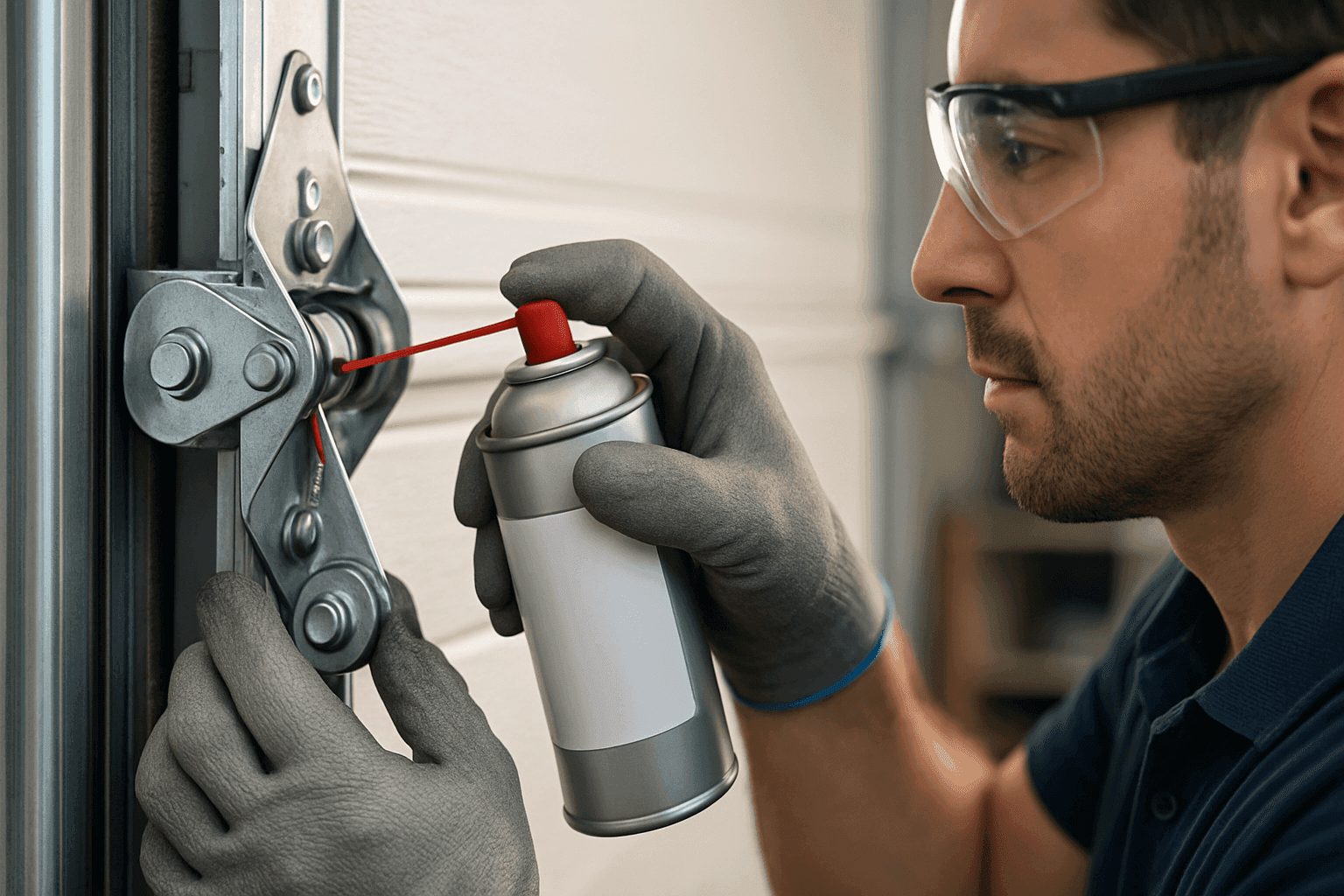
- Lubricate moving parts: Use a silicone-based lubricant on rollers, hinges, and tracks. Skip WD-40—it attracts dirt.
- Examine weather seals: Winter can crack or stiffen rubber seals. Replace if they’re brittle or loose.
- Check safety sensors: Wipe clean and realign. Test with a cardboard box to make sure the door reverses.
- Tighten loose nuts and bolts: Temperature swings can loosen hardware.
- Test garage door opener batteries: Replace if the remote feels sluggish or only works up close.
Pro Tip: Don’t forget your garage door tracks. Clean them out, but never grease them—that can cause rollers to slip.
Summer Garage Door Maintenance Checklist ☀️
Summer’s heat and humidity can warp materials and cause metal to expand. Here’s what to do:
- Inspect door balance: Disconnect the opener and lift the door halfway. If it doesn’t stay put, springs may need adjustment.
- Clean and inspect tracks: Remove debris, leaves, or spider webs.
- Test auto-reverse function: Place a 2x4 under the door; it should reverse immediately when it hits the wood.
- Check for insulation gaps: Summer heat sneaks in where insulation is thin. Insulated garage doors make a big difference in energy savings.
- Look for rust: Humid air can cause corrosion on springs, cables, and other hardware.
Storm Prep: Summer storms can knock out power or toss debris. Make sure emergency release cords are in good condition and visible.
Fall Garage Door Maintenance Checklist 🍂
Fall is the season to get your garage door ready for dropping temps.
- Replace weatherstripping: Keep cold air and critters out.
- Lubricate moving parts: Reapply lubricant to springs, rollers, and hinges.
- Inspect cables and pulleys: Look for fraying, rust, or broken strands.
- Test manual operation: Make sure you can open the door manually in case of winter power outages.
- Check opener lights: Make sure the lights work—days are getting shorter.
Tip: Clean out leaves and debris from around the base of the door. Wet leaves can trap moisture, leading to rust or rot.
Winter Garage Door Maintenance Checklist ❄️
Cold weather is tough on garage_doors. Don’t let winter catch you off guard.
- Inspect for ice buildup: Remove ice or snow from door tracks and around the base.
- Check for condensation: Wipe down any moisture inside the garage to prevent rust.
- Test weather seals: Cold air finds every crack. Replace torn or stiff seals.
- Lubricate sparingly: Use a low-temperature lubricant designed for winter.
- Watch for slow operation: Cold can thicken lubricants and strain openers. If the door hesitates, call a pro.
- Inspect garage door remotes: Cold drains batteries faster—replace if needed.
Freeze Prep: Know how to use the manual release in case ice jams the opener.
Signs It’s Time for Professional Maintenance
Some jobs are best left to the pros. Here’s how to tell:
Warning Signs You Shouldn’t Ignore
- Door won’t open or close smoothly, or gets stuck partway.
- Loud banging or popping during operation.
- Frayed cables or visibly broken springs.
- Door sags or looks crooked when closed.
- Remote controls or keypads stop working, even after battery changes.
- Visible gaps in weather seals after replacement attempts.
If you see any of these, it’s time to search for “garage door repair near you” or call in a team with the right tools and training.
DIY Maintenance vs. Calling a Pro
It’s tempting to fix things yourself. But garage_doors are heavy and under serious tension.
DIY is OK for:
- Lubricating hinges, rollers, and tracks.
- Cleaning sensors and tracks.
- Replacing remote batteries.
- Inspecting for visible wear.
Call a pro for:
- Spring replacement (these are under extreme tension).
- Cable repair or replacement.
- Track repair or realignment.
- Panel and section replacement.
- Safety Sensor Installation near you (especially for commercial doors).
Safety first. The Door & Access Systems Manufacturers Association (DASMA) recommends professional inspection at least once a year.
What Pros Do On Arrival
Here’s what to expect when you schedule Apex Garage Door Services for a tune-up or repair:
- Detailed inspection of all moving parts—springs, rollers, tracks, hinges.
- Balance and force testing for safety compliance.
- Lubrication with commercial-grade products.
- Safety sensor calibration and testing.
- Tightening or replacing worn hardware.
- Checking opener function, remotes, and keypads.
- Recommendations for upgrades, such as insulated or custom garage_doors.
We follow ANSI and UL 325 safety protocols for every job. Your safety is our top priority.
Prevention & Maintenance: The Cost-Saving Edge
A little care now saves a lot later. Regular maintenance:
- Extends the life of your garage door system.
- Reduces the risk of sudden, expensive breakdowns.
- Improves home security and weather protection.
- Keeps warranties valid (many require yearly maintenance!).
For most homes and businesses, a seasonal checkup—plus a professional inspection each year—hits the sweet spot.
Costs & Time Factors
Maintenance is affordable compared to emergency repairs or full replacements. Here’s what to expect:
- DIY tasks (lubrication, sensor cleaning): 30–60 minutes, minimal cost for supplies.
- Professional tune-ups: Usually 1–2 hours, depending on door size and type.
- Repairs: Time and cost depend on the issue—springs and cables take longer and require specialized parts.
Remember, neglect costs more in the long run. A failing spring or track can damage the opener, panels, or even vehicles.
When It’s an Emergency
Some problems can’t wait:
- Garage door stuck open, risking security.
- Door won’t close in a storm, letting in water or debris.
- Broken springs or cables that make operation unsafe.
- Doors off the track or visibly damaged.
Apex Garage Door Services offers emergency garage door services—call us anytime for urgent help.
Frequently Asked Garage Door Maintenance Questions
How often should I lubricate my garage door?
Every season. At least four times a year, or whenever you hear squeaking.
Is it safe to replace garage door springs myself?
No. Springs are under high tension and can cause serious injury. Always hire a professional.
How can I make my garage door quieter?
Lubricate moving parts, tighten hardware, and replace worn rollers. If noise persists, a pro can assess for deeper issues.
Do I need a professional for Safety Sensor Installation?
Yes, especially for commercial or multi-door setups. Proper alignment and testing are critical for safety.
Local and Seasonal Considerations
Climate matters. In humid regions, rust and swelling are common. In cold areas, ice and frozen seals can cause trouble. For businesses, heavy use demands more frequent checks—especially on roll-up, sectional, or carriage house garage_doors.
If storms or freezes are common in your area, inspect more often and keep emergency contacts handy.
Don’t wait for a breakdown. A little maintenance goes a long way—saving you time, money, and stress. For reliable, year-round garage door maintenance and repairs, trust the team that keeps safety and quality front and center.
Call Apex Garage Door Services now — or reach us anytime at 888-864-9691 .