Garage Door Weather Seals: Protection Against Storms, Drafts & Pests
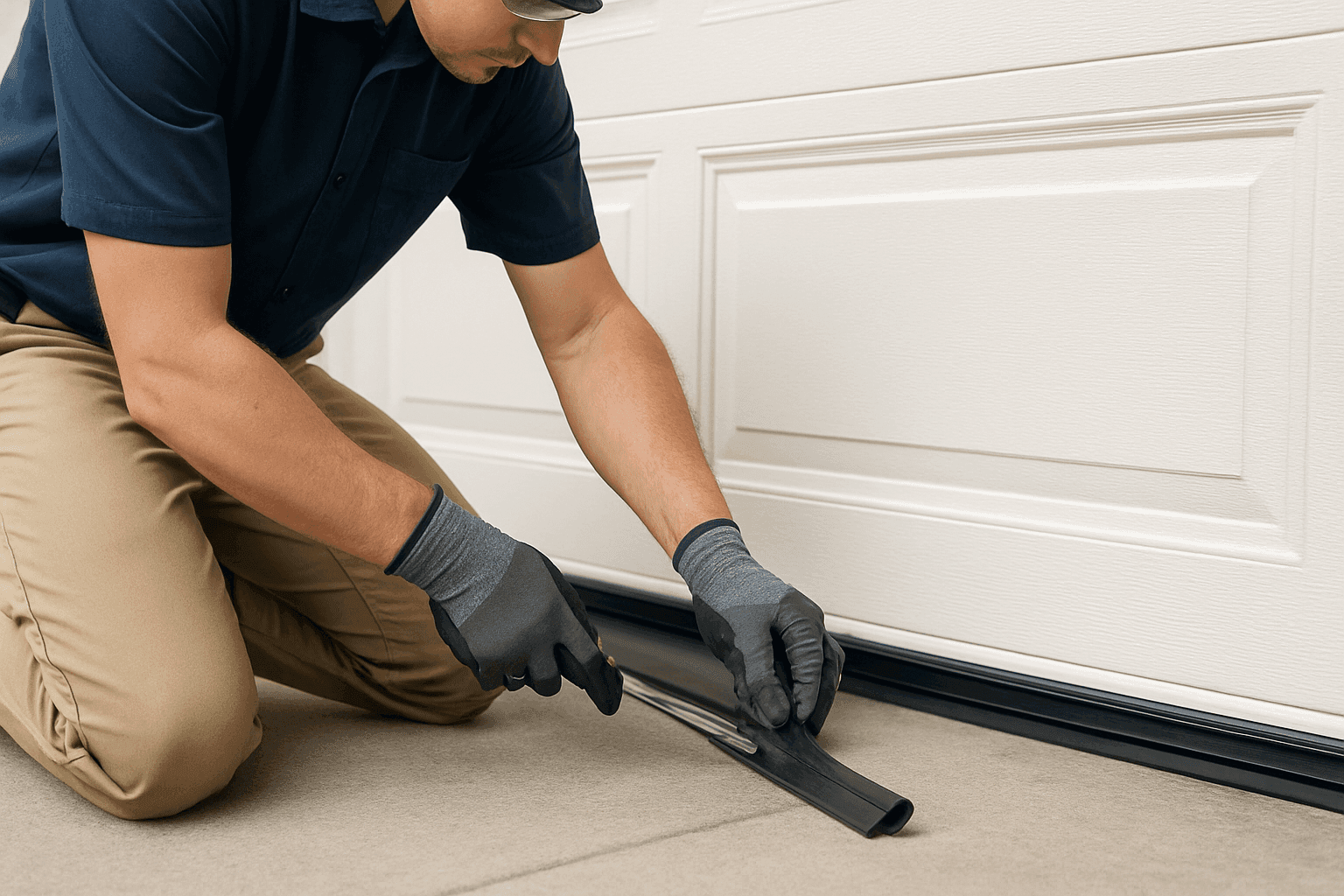
Is your garage letting in more than just your car? If you’ve noticed chilly drafts, puddles after rain, or a few too many unwanted critters, the culprit might be your garage door weather seals. At Apex Garage Door Services, we know a home’s comfort, safety, and value all start at the garage threshold.
Weather seals aren’t just strips of rubber—they’re the unsung defenders against storms, pests, and energy bills that creep higher with every leak. Whether you’re a homeowner or you manage a commercial space, weather seals are your first line of defense.
Types of Garage Door Weather Seals & Where to Use Them 🛡️
Choosing the right weather seal can feel like picking the umbrella that actually keeps you dry during a sideways rainstorm. Each type has its place—get it right, and you’ll keep out everything you didn’t invite in.
- Bottom Seals: These are the most common. Fitted to the garage door’s base, they keep out water, dirt, leaves, and insects.
- Threshold Seals: Installed directly on the garage floor, these create a raised barrier. They’re ideal for driveways that slope or flood.
- Door Stop (Perimeter) Seals: Attached to the door jambs and header, these flexible strips close gaps along the sides and top. Strong allies against wind and cold.
- Brush Seals: Most often used on commercial garage_doors or roll-up doors, brush seals are tough on dust and debris but flexible enough for frequent use.
- Reverse Angle Mount Seals: Found mainly on commercial steel doors, these provide an extra layer where heavy-duty sealing is needed.
Where to use which?
- Residential garages often use a combination of bottom and perimeter seals for maximum comfort.
- Commercial locations with roll-up or sectional garage doors may need brush seals and threshold barriers for dust and pest control.
Industry tip: The International Door Association and the Door & Access Systems Manufacturers Association recommend inspecting all weather seals at least twice a year—especially before and after storm season.
Warning Signs Your Garage Door Seals Need Replacement
Your garage may not speak, but it sure knows how to send signals when something’s wrong. Here’s what to look for:
- Drafts or temperature swings: If your garage feels like a wind tunnel or an icebox, it’s time to check the seals.
- Visible daylight: Stand inside the garage with the lights off during the day. If you see beams of light at the edges or bottom, air and pests see a welcome mat.
- Water or puddles after rain: Even small leaks can lead to bigger problems—like mold or wood rot.
- Pest activity: Spiders, mice, and other critters love easy access. If you’re finding droppings or tiny visitors, check the seals.
- Cracks, gaps, or brittleness: Old rubber hardens, cracks, or falls apart. If the seal flakes or breaks when you touch it, replacement is overdue.
- Unusual noises: Rattling, whistling, or scraping as the door moves could mean a loose or misaligned seal.
Ignoring these warning signs can mean higher heating/cooling costs, property damage, and emergency garage door repairs down the road.
DIY vs Professional Weather Seal Installation
There’s a certain pride in fixing things yourself. But weather seal installation isn’t always a walk in the park.
DIY Installation
- Good for: Standard residential bottom seals or threshold kits.
- Tools required: Measuring tape, utility knife, screwdriver or drill, and sometimes adhesive.
- Risks: An uneven seal can leave gaps. If you trim the seal too short, you’ll need a replacement. Incorrect installation could damage the door, voiding warranties.
- Safety first: Always disconnect electric openers before working on your garage_doors.
Professional Installation
- Best for: Large commercial garage doors, custom garage doors, or situations involving severe water intrusion, insulation upgrades, or Safety Sensor Installation near you.
- What you get: Guaranteed fit, proper material selection, and fast service. A pro will also spot underlying issues (like warped panels or track misalignment) that a DIYer might miss.
- Industry standards: Professional technicians follow manufacturer guidelines and local building codes—critical for commercial or multi-family properties.
Bottom line: If you love weekend projects and have a standard door, DIY may save a few dollars. For complex jobs, safety, or long-term performance, calling Apex Garage Door Services makes all the difference.
Seasonal Benefits: Storms, Cold, and Heat
Weather seals aren’t just for winter. They’re year-round protectors, standing guard through every kind of weather roulette.
- Storms: Proper seals keep rain, snow, and wind outside, preventing flooding and water damage. FEMA recommends checking all exterior door seals as part of storm prep.
- Cold snaps: Insulated garage doors and tight seals reduce heat loss. The U.S. Department of Energy notes that garages are a major source of residential energy leaks.
- Summer heat: Seals block hot air and keep conditioned air inside. This means less strain on your home’s HVAC and lower utility bills.
Pest Prevention & Energy Savings
Think of weather seals as the moat around your castle. They block out not just weather, but invaders and wasted dollars.
- Pest prevention: Mice can squeeze through a gap the size of a pencil. Weather seals close off these tiny entry points. According to the National Pest Management Association, garage doors are a leading entry for rodents and insects.
- Energy savings: Even a quarter-inch gap can add up to big losses. The EPA estimates that sealing air leaks around doors and windows can cut household energy bills by up to 15%.
Regular Inspection & Emergency Preparedness
Don’t wait for a storm warning or a line of ants. Set a calendar reminder to check your weather seals at least every spring and fall. During inspections:
- Look for cracks, gaps, or loose areas.
- Test for drafts with a candle or tissue held near the seal.
- After major storms, check seals for damage or shifting.
Emergency tip: In hurricane or tornado-prone areas, reinforced garage doors and properly installed seals can prevent catastrophic pressure changes that damage homes. The Federal Alliance for Safe Homes recommends weather-sealing as part of your extreme weather checklist.
When to Call for Emergency Garage Door Services
If your garage floods, you spot a snake or rodent inside, or your door won’t close due to a seal issue, don’t wait. Emergency Garage Door Services from Apex Garage Door Services can restore safety and peace of mind—fast.
Frequently Asked Questions
How long do garage door weather seals last?
Most seals last 2–5 years, depending on weather exposure and door usage. Inspect twice yearly for best results.
Are all seals the same size?
No. Seals vary by door type, brand, and model. Always measure before purchasing replacements.
Can weather seals help with allergies?
Yes. A tight seal reduces dust, pollen, and pollutants entering your garage and home.
Is it safe to install a seal myself?
For most standard residential doors, yes. But always unplug automatic openers and avoid working on high-tension springs.
Local & Seasonal Considerations
In humid climates, seals may break down faster—check for mold or mildew. In cold areas, rubber can stiffen and crack. High-wind zones (coastal or tornado-prone regions) should use heavy-duty or reinforced seals. And if you’re unsure, professional advice is always just a call away.
Strong weather seals are a small investment with big returns—protecting your property, your wallet, and your peace of mind. Whether you want to tackle the job yourself or need a professional hand, Apex Garage Door Services is ready to help, rain or shine.
Call Apex Garage Door Services now — or reach us anytime at 888-864-9691 .