Seasonal Garage Door Maintenance: Prepare Your Door for Every Weather
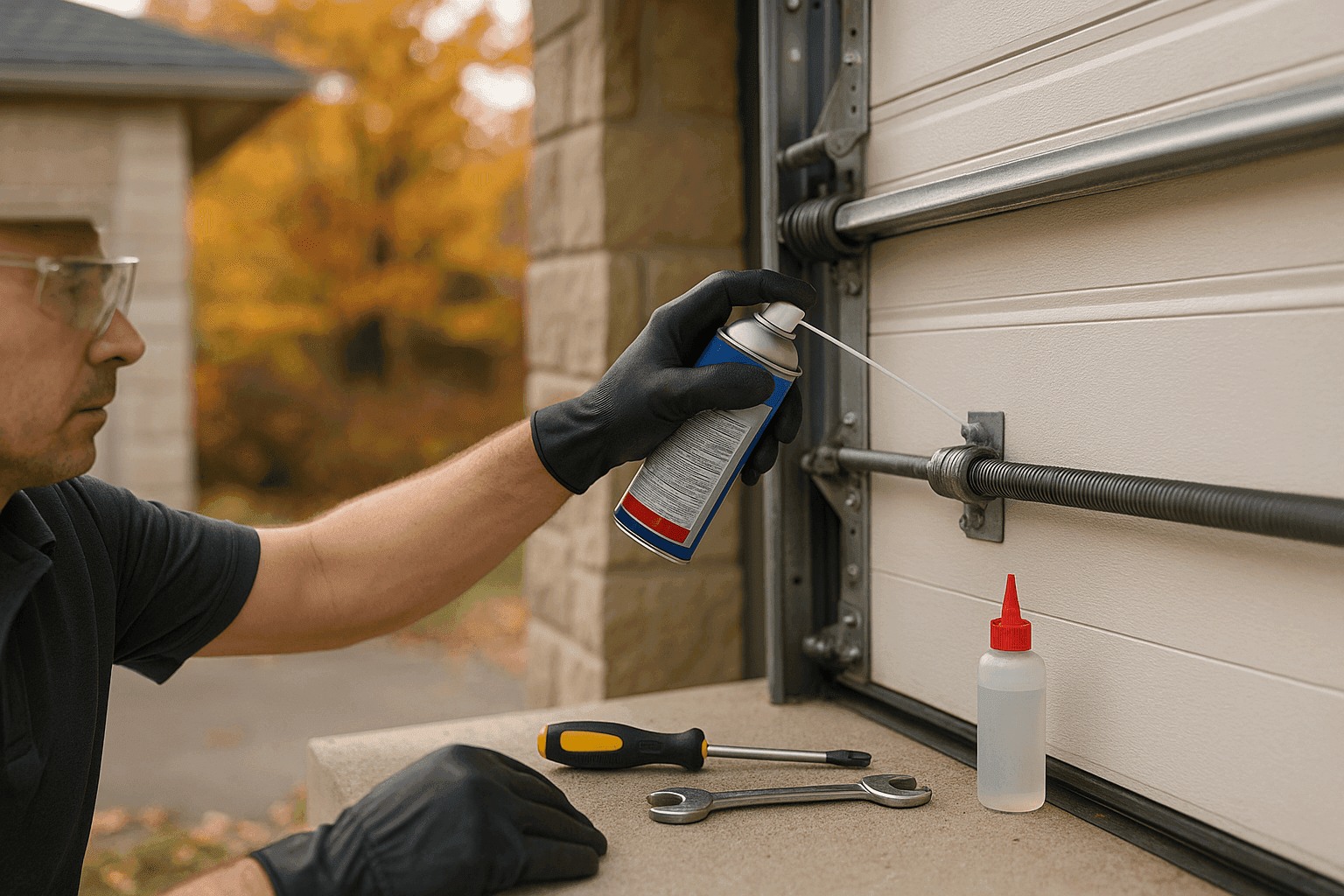
Is your garage door ready for whatever the weather throws at it? Most homeowners don’t think about their garage door until something goes wrong—usually at the worst possible moment. A stuck door in the pouring rain or a broken spring on a freezing morning can throw off your whole day.
At Apex Garage Door Services, we know that regular, seasonal maintenance is the secret to avoiding emergency garage_doors calls and keeping your family safe. Think of it like caring for the front door to your home—one that’s used more than you might realize. Let’s walk through what you can do each season to keep your garage door running quietly, smoothly, and safely all year long.
Why Seasonal Maintenance Matters
Garage doors are more than just big moving walls. They’re complex systems of springs, cables, tracks, rollers, panels, and electronics—all working together. Just like your car, these parts need attention as temperatures rise, fall, and weather changes. Ignoring them can mean sudden breakdowns, expensive repairs, or even safety hazards.
Seasonal maintenance isn’t just about preventing headaches. It’s about protecting your investment and giving you peace of mind, knowing your garage door is ready for whatever comes next.
Quick Safety Checklist Before You Start 🛑
Before diving into any maintenance, safety comes first. Garage doors are heavy and under tension. Here’s what to check:
- Disconnect the opener before any hands-on work (use the manual release cord).
- Never remove or adjust springs yourself—high tension can cause injury.
- Wear gloves and safety glasses to protect from sharp edges and debris.
- Use a sturdy ladder for overhead work.
- Keep children and pets away from your workspace.
- If unsure, call a professional—especially if something looks or sounds wrong.
For more on garage door safety, the U.S. Consumer Product Safety Commission (CPSC) offers guidelines worth reviewing.
Spring Maintenance Tips
Spring is the season of renewal—and your garage door needs it too. After winter’s harsh conditions, now’s the time to clean, inspect, and refresh.
1. Clean the Door and Tracks
Dust, salt, and grime build up over winter. Use a mild detergent and soft brush to wash the panels (inside and out). Wipe down the tracks with a damp cloth—never lubricate tracks, just keep them clean.
2. Lubricate Moving Parts
A smooth garage door is a happy garage door. Apply a garage door-specific lubricant to:
- Rollers (except nylon rollers with sealed bearings)
- Hinges
- Springs (lightly)
- Bearings and pulleys
Avoid using WD-40; it’s a cleaner, not a true lubricant.
3. Inspect Springs and Hardware
Look for gaps, rust, or stretched coils in the springs. Listen for squeaks or grinding. Check bolts, brackets, and fasteners—tighten any that are loose, but leave spring adjustments to professionals.
4. Test Door Balance
Disconnect the opener and lift the door halfway. It should stay in place. If it moves up or down, the springs may be worn—call for service.
Summer Care for Garage Doors ☀️
Heat, humidity, and summer storms can put extra stress on garage doors. Now’s the time to focus on electronics and weatherproofing.
1. Inspect and Test the Opener
- Check the auto-reverse safety feature: Place a 2x4 under the door and close it. The door should reverse when it touches the wood.
- Listen for unusual noises or slow operation. These could signal a worn motor or chain.
2. Check and Replace Weatherstripping
Weatherstripping keeps out rain, dust, and critters. Inspect the rubber seal along the bottom and sides of the door. If it’s cracked or brittle, replace it. This helps keep your garage cooler and protects against summer storms.
3. Clean and Program Remote Controls
Wipe remotes and keypads with a dry cloth. Replace batteries if needed. Reprogram if you notice lag or missed signals. Secure your opener by following manufacturer instructions for rolling code technology.
Fall Preparation: Ready for the Cold 🍂
As leaves fall and temperatures drop, your garage door needs a little extra TLC to prepare for winter’s challenges.
1. Tighten and Inspect Cables
Cables can fray or loosen over time, especially after a busy summer. With the door closed, visually check for wear, rust, or broken strands. Never attempt to adjust cables yourself—call a pro for repairs.
2. Clear Tracks and Check Rollers
Fallen leaves, dirt, and debris can clog tracks and jam rollers. Use a shop vac or brush to clear them. Inspect rollers for cracks or flat spots—replace if needed.
3. Prepare for Colder Months
- Lubricate moving parts again, as cold can thicken old grease.
- Check the seal between panels for gaps.
- Consider insulating your garage door if you haven’t already—this can help with energy bills and comfort.
Winter Readiness: Cold Weather Garage Door Care ❄️
Winter brings freezing temperatures, ice, and snow—tough on garage door components. Here’s how to keep things moving:
1. Test Safety Sensors
Sensors prevent the door from closing on objects or people. Wipe them clean and make sure both lights are on. If the door won’t close, check for misalignment or obstructions.
2. Inspect and Improve Insulation
If your garage door feels cold to the touch, consider adding insulation. Insulated doors help prevent freezing, protect your car, and make the garage more comfortable. Look for gaps in existing insulation and patch them before the deep freeze sets in.
3. Watch for Frozen Seals
Snow and ice can freeze the bottom seal to the ground. Gently chip away ice—never force the door open. If the seal is damaged, replace it to prevent drafts and water leaks.
4. Listen for Trouble
Winter can make metal parts contract and creak. If you hear grinding, popping, or the opener straining, it’s time for a checkup.
How Weather Impacts Garage Door Components
- Springs: Cold makes them brittle, heat can weaken tension. Both increase risk of sudden failure.
- Tracks: Expansion and contraction cause misalignment. Debris can freeze in tracks.
- Openers: Electronics don’t like moisture or extreme temps—leading to glitches or power issues.
- Weatherstripping: Cracks in seals let in water, which can freeze and cause damage.
Regular checks help you spot issues before they become emergencies.
DIY vs. Call a Pro
Some maintenance is safe for homeowners—cleaning, lubricating, inspecting. But when it comes to springs, cables, and major repairs, professional help is crucial. These parts are under high tension and can cause injury if handled incorrectly.
If you notice:
- Broken springs or cables
- Door off its tracks
- Loud banging or snapping noises
- Opener failing to lift the door
…it’s time to call in Apex Garage Door Services. We’re equipped to handle emergency garage_doors situations safely and efficiently.
What Pros Do On Arrival
When you call for service, here’s what you can expect from a trained technician:
- Full safety inspection of all hardware and electronics
- Lubrication and adjustment of moving parts
- Balance and alignment check for smooth operation
- Replacement of worn or damaged components
- Testing of safety features (auto-reverse, sensors, remotes)
- Recommendations for further maintenance or upgrades
We follow industry standards and recommendations from organizations like the Door & Access Systems Manufacturers Association (DASMA).
Prevention & Maintenance: Your Seasonal Checklist
Stay ahead of problems with this quick guide:
- Spring: Clean, lubricate, inspect springs and hardware, test balance.
- Summer: Test opener safety, check weatherstripping, clean remotes.
- Fall: Tighten cables, clear tracks, check rollers, prep insulation.
- Winter: Test sensors, inspect insulation, watch for frozen seals.
A little attention each season can add years to your garage door’s life.
Costs & Time Factors
Most basic maintenance takes less than an hour. Homeowners can expect to spend a small amount on lubricants and replacement weatherstripping. Professional tune-ups and inspections are affordable compared to emergency repairs, which can be more costly and time-consuming—especially if parts need to be ordered.
Ignoring maintenance can lead to expensive fixes, like spring replacement or opener repair. Prevention always costs less than a breakdown.
When It’s an Emergency
If your garage door:
- Won’t open or close at all
- Is stuck halfway
- Has a broken spring or cable
- Is off its tracks
- Makes loud, alarming noises
…it’s an emergency. Don’t try to force the door or fix high-tension parts yourself. Emergency garage_doors situations require immediate attention to keep your home secure and your family safe.
FAQ: Seasonal Garage Door Maintenance
How often should I lubricate my garage door?
Lubricate moving parts at least twice a year—spring and fall are ideal.
Can I replace garage door springs myself?
No. Springs are under extreme tension and can cause serious injury. Always hire a professional.
What’s the best way to test my garage door opener’s safety features?
Place a solid object (like a 2x4) under the door. It should reverse when it touches the object. Also, test photo-eye sensors by waving something in front of them as the door closes—the door should stop and reverse.
How do I know if my weatherstripping needs replacing?
If you see cracks, gaps, or feel drafts around the door, it’s time for new weatherstripping.
Special Considerations for Garage Door Care
- Custom or insulated doors may require specific lubricants or insulation kits—check your manufacturer’s recommendations.
- Commercial doors often have heavier-duty components; schedule professional maintenance regularly.
- Older doors may lack modern safety features—consider upgrades for better protection.
- Frequent use (multiple daily cycles) means more wear—inspect more often.
Ready for Every Season
Taking care of your garage door isn’t just a chore—it’s a way to protect your home, your car, and your peace of mind. With a little attention each season, you can avoid most emergencies and keep everything running smoothly, no matter what the weather brings.
If you ever notice something out of the ordinary, or if a repair feels out of reach, don’t wait for a small issue to become a big headache.
Call Apex Garage Door Services now — or reach us anytime at 888-864-9691 .